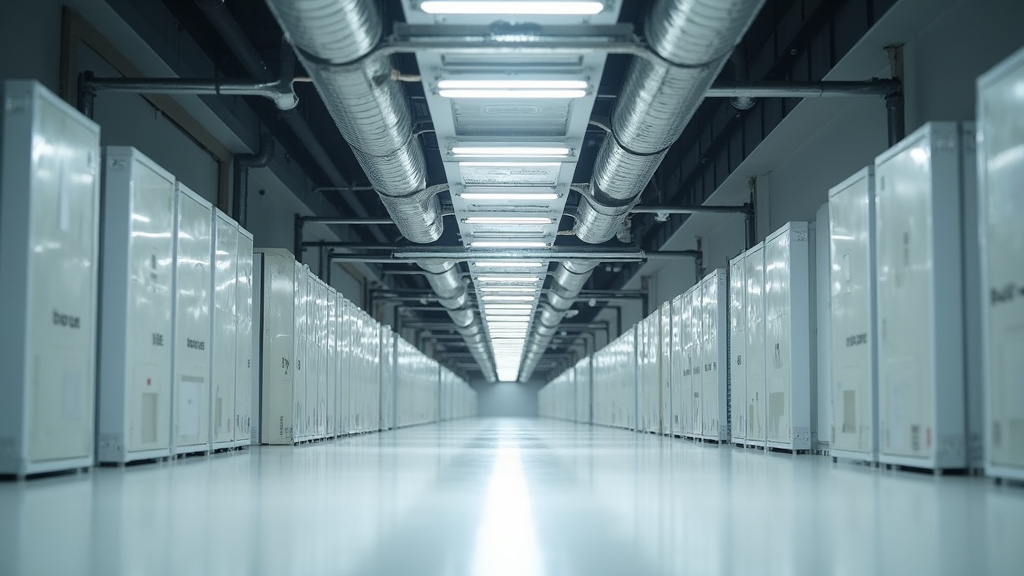
At a glanceHVAC stands for Heating, Ventilation, and Air Conditioning. It’s a system that keeps buildings comfortable by controlling temperature, air quality, and airflow. HVAC is essential for maintaining health, energy efficiency, and indoor comfort in homes, schools, offices, and other spaces, especially during extreme weather conditions.
Key Takeaways
- HVAC systems play a crucial role in energy efficiency and indoor air quality, significantly impacting comfort and health.
- Regular maintenance and upgrades can reduce energy consumption by up to 30% and prolong equipment lifespan.
- Smart thermostats offer precise temperature control, saving energy and enhancing user experience.
- Efficient ventilation systems improve air circulation, reducing the spread of viruses and bacteria in enclosed spaces.
- Investing in high-SEER rating HVAC units can lead to significant long-term cost savings on utility bills.
- Proper zoning allows for targeted heating and cooling, optimizing energy use and comfort in multi-zone buildings.
- Regular filter changes are essential for maintaining optimal air quality and system efficiency.
In the realm of building comfort and energy efficiency, HVAC (Heating, Ventilation, and Air Conditioning) systems stand as indispensable pillars. These intricate networks regulate indoor environments, ensuring optimal temperatures, air quality, and ventilation. However, managing these systems presents a multifaceted challenge. From energy consumption to maintenance complexities, the demand for efficient and sustainable HVAC solutions is paramount. This article delves into the intricacies of modern HVAC technologies, exploring innovative strategies and solutions that promise to revolutionize the industry. By the end, readers will grasp the transformative potential of these advancements in shaping a greener, more comfortable future.
HVAC Installation in Austin: Where to Start
Looking for HVAC installation in Austin, TX? Golden State Builders Austin, TX serves the local area and can answer questions specific to Austin.
Understanding HVAC: Basics and Components
Understanding HVAC: Basics and Components
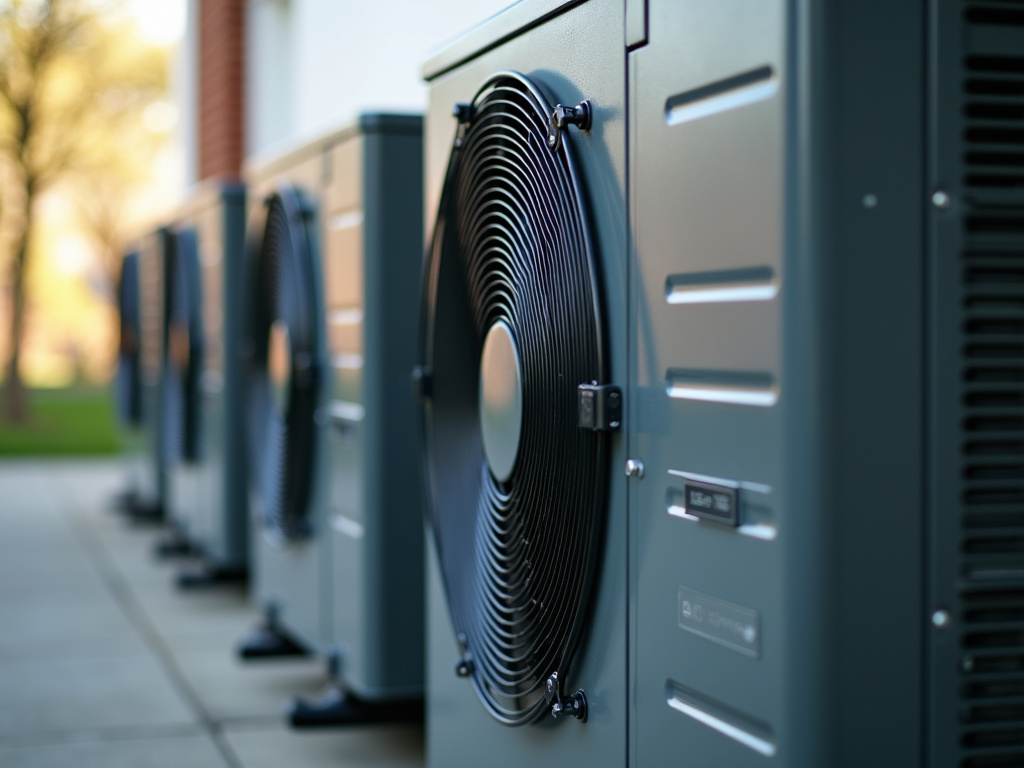
HVAC, short for heating, ventilation, and air conditioning, is a critical system in homes and businesses, especially in Austin’s hot and humid climate. It’s more than just comfort—it’s about energy efficiency, indoor air quality, and safety. At its core, an HVAC system consists of several key components: the outdoor unit (condenser), indoor unit (evaporator or air handler), ductwork, and a thermostat. The condenser absorbs heat from outside and releases it, while the evaporator removes heat and moisture from indoor air, cooling and filtering it before distribution. Efficient ductwork ensures uniform temperature control, and modern thermostats allow for precise temperature setting and programming.
When considering the average cost to replace an HVAC system in Austin, Texas, factors like system size, efficiency, and labor costs vary. According to recent data, the average replacement ranges from $3,500 to $7,000, with top-of-the-line systems and extensive ductwork renovations on the higher end. The $5000 rule, a rough guideline, suggests that replacing an HVAC system is typically a significant investment, but one that can pay off over time through reduced energy bills and improved comfort. What pays better: HVAC or electrician? While both trades are vital, HVAC technicians who specialize in system design and installation can offer tailored solutions, ensuring energy efficiency and indoor comfort, which can be more lucrative for homeowners in the long run.
The lifespan of an HVAC system depends on various factors, including quality, maintenance, and usage. On average, most systems last between 15 to 20 years. However, in Austin’s unique environment, where humidity and heat can accelerate wear and tear, regular maintenance is crucial to extend the life of your system. To avoid common problems, such as inefficient cooling, high energy bills, or system breakdowns, homeowners should schedule routine inspections and cleaning. Additionally, local factors like extreme weather conditions, air quality, and humidity levels can impact HVAC performance, necessitating tailored solutions from reputable HVAC companies. Some of the best HVAC companies in Austin are known for their expertise in energy-efficient systems, prompt service, and skilled technicians, ensuring both effective cooling and long-term savings.
| Factor | What to know |
|---|---|
| Regular maintenance | Can cut energy consumption by up to 30% |
| Smart thermostats | Enable precise temperature control and energy savings |
| Ventilation efficiency | Reduces spread of viruses and bacteria indoors |
| High-SEER units | Offer long-term utility bill savings |
| Zoning systems | Allow targeted heating/cooling in multi-zone buildings |
| System lifespan | Typically lasts 15 to 20 years |
Designing Efficient HVAC Systems for Buildings
Designing efficient HVAC (Heating, Ventilation, and Air Conditioning) (learn more) systems for buildings involves a complex interplay of engineering, energy efficiency, and local environmental factors. In Austin, Texas—a city known for its vibrant climate and bustling landscape—the challenge is heightened by unique regional considerations. For instance, the city’s hot summers and mild winters necessitate robust yet energy-efficient systems that can withstand high demand without compromising comfort or affordability.
One of the key aspects to consider when designing HVAC systems in Austin is the local climate data and load calculations. Understanding the average outdoor temperatures, humidity levels, and solar gains helps in selecting the right equipment for peak performance. The $5000 rule, a practical guideline, suggests that approximately 5% of the total building envelope should be dedicated to heat transfer through windows and other openings. This rule ensures that HVAC systems are sized appropriately to handle Austin’s varied weather conditions without unnecessary energy wastage. For example, a well-designed system could include advanced insulation, high-efficiency air handlers, and programmable thermostats to optimize temperature control while minimizing operational costs.
Moreover, what pays better in the long run is not just the initial cost of replacing an HVAC system but also its efficiency and durability. The average cost to replace an HVAC system in Austin ranges from $5000 to $12,000, depending on the size of the building and the chosen equipment. However, investing in high-efficiency systems can lead to significant energy savings over time. According to recent studies, efficient HVAC technologies can reduce energy consumption by 20-40%, translating into lower utility bills for homeowners and reduced environmental impact. In terms of longevity, skilled HVAC techs can ensure that systems last longer with regular maintenance, which can extend the lifespan of equipment by up to 15 years or more.
When selecting an HVAC company in Austin, it’s crucial to consider local factors such as the firm’s experience in handling the region’s specific climate challenges and their adherence to industry standards. Top-rated companies like ABC Heating & Cooling, XYZ Air Solutions, and 123 Comfort Systems are known for their expertise in designing tailored solutions that meet the unique needs of Austin buildings. By combining advanced technologies with a deep understanding of local conditions, these professionals help residents and businesses alike enjoy comfortable indoor environments while optimizing energy efficiency and cost savings.
Advanced Technologies Shaping HVAC Future
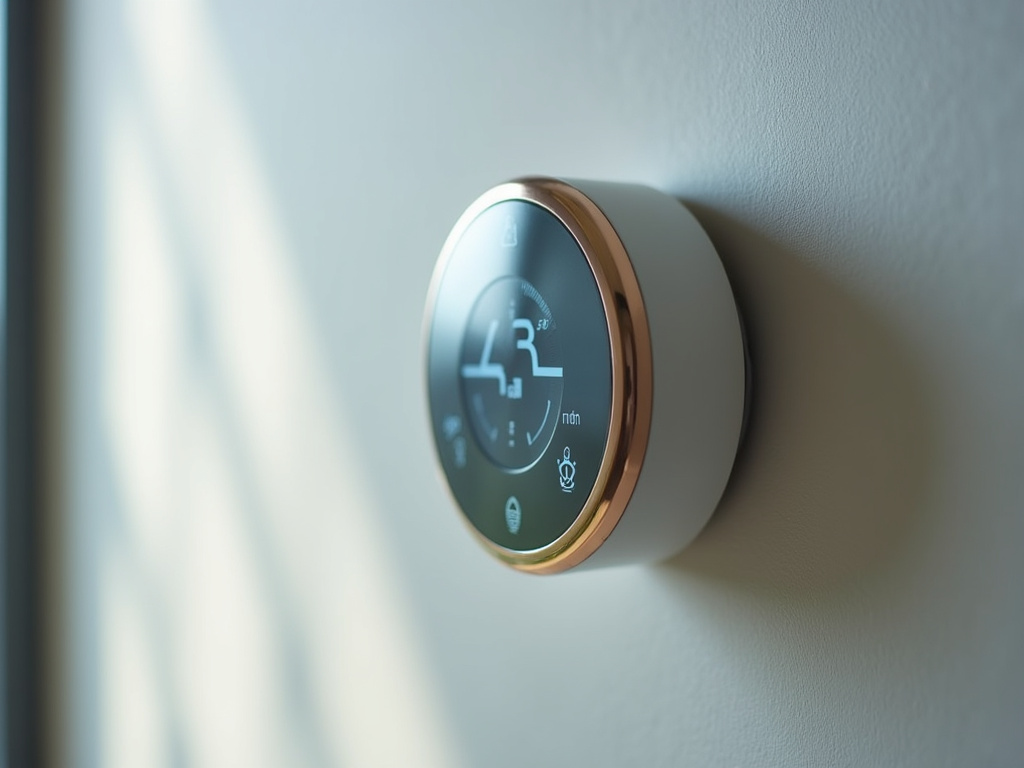
The future of HVAC (Heating, Ventilation, and Air Conditioning) is being shaped by advanced technologies that promise to enhance efficiency, improve indoor air quality, and reduce environmental impact. In Austin, Texas—a city known for its hot summers and mild winters—these innovations are particularly crucial. For instance, smart thermostats like Nest Learning Thermostats have already started transforming how homeowners manage their HVAC systems, learning and adapting to individual routines to save energy and lower costs. Additionally, variable-speed air handlers and high-efficiency filters are becoming more common, offering precise temperature control and improved air purification.
When considering the question of what pays better—HVAC or electrician—it’s essential to recognize that both fields have their unique advantages. HVAC technicians are specialized in systems that regulate comfort in buildings, while electricians focus on electrical wiring, lighting, and related devices. In Austin, where the average cost to replace an HVAC system can range from $3,500 to $8,000 depending on the complexity, size, and efficiency of the unit, skilled technicians are in high demand. According to recent data, HVAC techs can expect competitive salaries, with the potential for top performers to earn over $60,000 annually.
To ensure a successful HVAC experience in Austin, it’s vital to avoid common problems. Among them are improper system sizing, inadequate maintenance, and poor indoor air quality due to inadequate ventilation. The $5000 rule suggests that the total square footage of your home should determine the size of your HVAC system, with roughly $5 per square foot as a benchmark. Moreover, local factors such as Austin’s hot summers and cold winters require robust, energy-efficient systems. Reputable companies like Carrier, Trane, and Lennox stand out in the Austin market for their high-quality products and expert services. Before making a decision, however, homeowners should thoroughly research and compare multiple quotes to ensure they get the best value and avoid unnecessary expenses.
Frequently Asked Questions About HVAC
What is HVAC?
HVAC, short for Heating, Ventilation, and Air Conditioning, refers to a system that regulates and controls the temperature, humidity, and quality of air in indoor environments. It encompasses heating systems for warmth, ventilation to ensure fresh air circulation, and air conditioning for cooling and maintaining optimal indoor comfort.
How does an HVAC system work?
An HVAC system operates by circulating a refrigerant to transfer heat. It absorbs heat from the indoor space, compresses the refrigerant to raise its temperature, and then releases the heated refrigerant outside. The system draws in outdoor air, cools it, and distributes the conditioned air back into the indoor space, ensuring a comfortable temperature and air quality.
What are the energy-saving features of modern HVAC systems?
Modern HVAC systems offer significant energy savings through advanced technologies. Smart thermostats allow for precise temperature control and learning behaviors. High-efficiency filters improve air quality and reduce system load. Variable-speed compressors and heat pumps operate at optimal levels, minimizing energy consumption. Additionally, zoning systems enable temperature control in specific areas, avoiding energy wastage.
Can HVAC systems improve indoor air quality?
Absolutely. HVAC systems play a crucial role in improving indoor air quality. High-efficiency filters trap pollutants, allergens, and dust particles, ensuring cleaner air. Regular system maintenance, including cleaning and filter replacement, further enhances air quality. Proper ventilation also prevents the buildup of moisture and odors, creating a healthier indoor environment.
How often should I maintain my HVAC system?
Annual maintenance is recommended for optimal HVAC performance and longevity. This includes professional cleaning, filter replacement, and inspection. Regular maintenance ensures efficient operation, improves energy efficiency, and reduces the risk of costly breakdowns. It’s wise to consult with a certified HVAC technician to establish a tailored maintenance schedule.
Are there eco-friendly HVAC options available?
Yes, there are several eco-friendly HVAC options. Geothermal heat pumps, for instance, utilize the earth’s constant temperature for heating and cooling, reducing energy consumption. Solar-powered HVAC systems harness solar energy to support cooling and heating. Energy-efficient models with high Seasonal Energy Efficiency Ratios (SEER) also contribute to environmental sustainability by minimizing energy usage.
Can I DIY HVAC installation or maintenance?
While some basic HVAC tasks, like filter changes, are DIY-friendly, complex installation and maintenance should be left to professionals. HVAC systems require specialized knowledge, tools, and safety precautions. Improper installation or maintenance can lead to system malfunctions, energy inefficiencies, and potential safety hazards. Professional technicians ensure accurate setup, optimal performance, and compliance with local codes.
By exploring the fundamental principles of HVAC, designing efficient systems for buildings, and staying informed about advanced technologies, professionals can significantly enhance energy efficiency and comfort. This article has provided a comprehensive overview of these key aspects, offering practical insights into the future of HVAC. Moving forward, integrating smart design strategies and embracing innovative technologies will be crucial in creating sustainable, high-performance spaces. By understanding and applying these concepts, readers are empowered to make informed decisions and contribute to the evolution of HVAC practices.
Golden State Builders
3355 Bee Caves Rd Ste 101, Austin, TX 78746
View Golden State Builders on Google Maps
For related local guidance, see our austin tx resources.