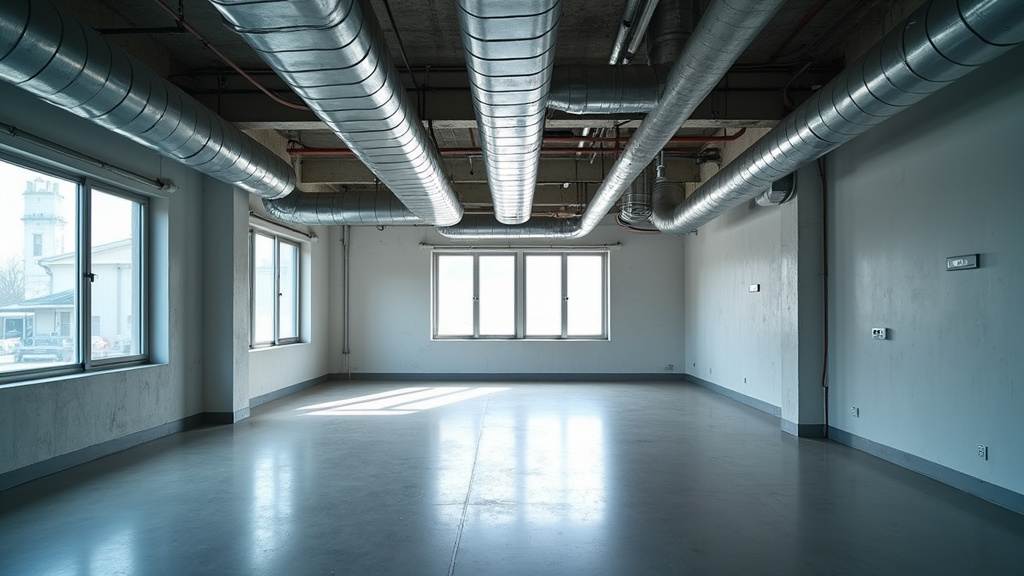
In today’s world, the importance of optimal environmental control cannot be overstated, especially in commercial and industrial settings. HVAC (Heating, Ventilation, and Air Conditioning) systems play a pivotal role in ensuring comfort, enhancing productivity, and maintaining indoor air quality. However, the challenges posed by rising energy costs, evolving regulations, and the need for sustainable solutions have created a complex landscape for managers and facility owners. This article delves into the intricacies of modern HVAC systems, offering a comprehensive overview of the latest technologies, design considerations, and best practices that drive efficiency and sustainability. By exploring these advancements, we aim to empower professionals to make informed decisions and navigate the future of HVAC with confidence.
Understanding HVAC: Basics and Components
Understanding HVAC: Basics and Components
HVAC, or heating, ventilation, and air conditioning, is a critical system in any building, ensuring comfort and indoor air quality. At its core, an HVAC system comprises several key components working in harmony. The primary function of these systems is to control temperature and humidity, providing a comfortable and healthy environment for occupants. Let’s delve into the fundamentals.
HVAC Installation in Austin: Where to Start
Looking for HVAC installation in Austin, TX? hvac installation at Golden State Builders serves the local area and can answer questions specific to Austin.
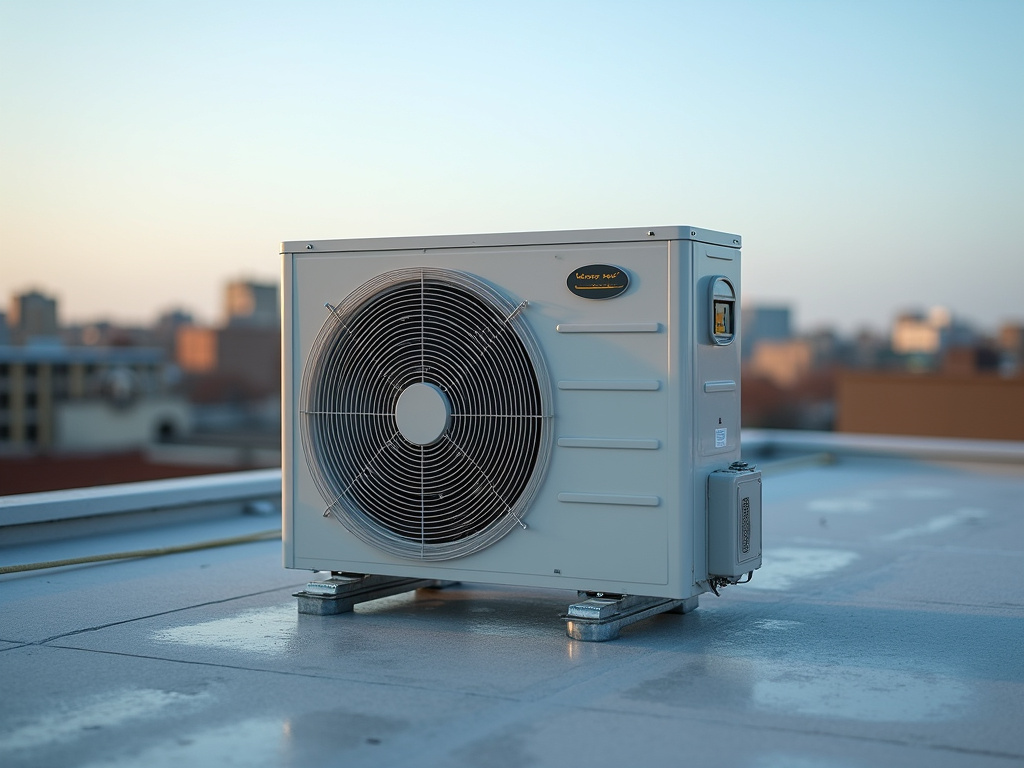
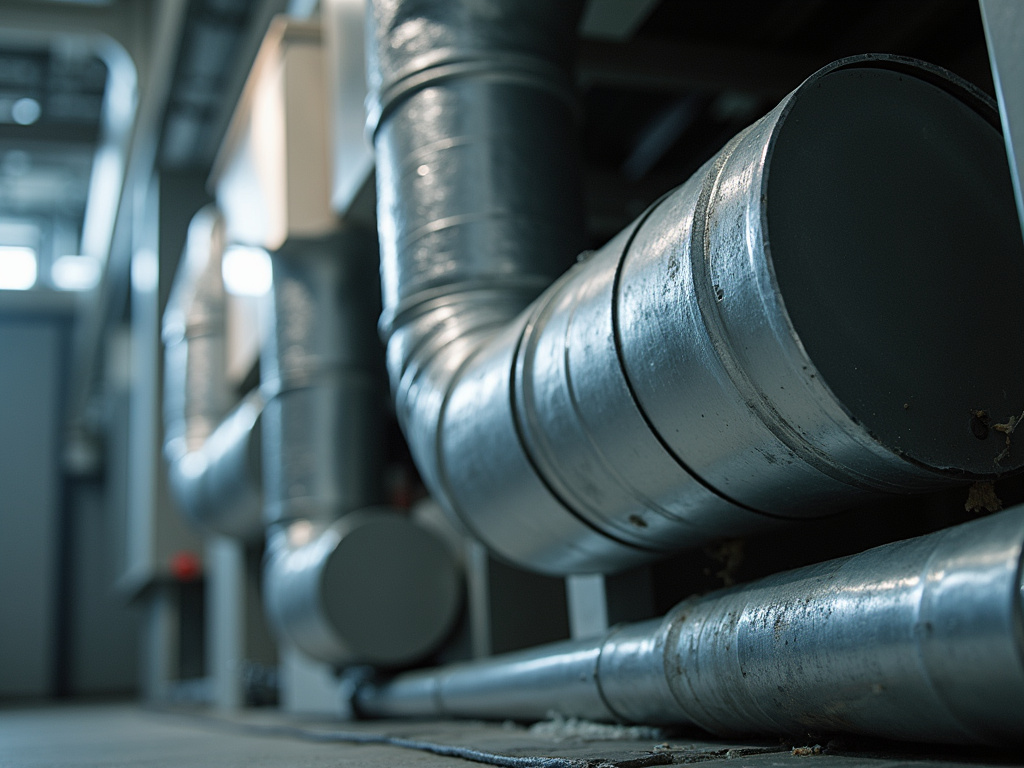
The core components include the outdoor unit (condenser), indoor unit (evaporator), air handlers, ducts, and thermostats. The condenser, often located outside, absorbs heat from the indoor environment and releases it externally. In contrast, the evaporator, typically found indoors, draws heat from the interior space, cooling the air. Air handlers distribute conditioned air throughout the building while thermostats regulate the system, ensuring it operates efficiently. Ducts, the network of passageways, transport air from the system to various rooms and back.
An intriguing aspect of HVAC is the ongoing evolution of technology. For instance, the $5000 rule for HVAC refers to the importance of proper sizing and efficiency, ensuring systems are neither underpowered nor oversized, leading to energy savings. Advanced technologies, such as smart thermostats, enable precise temperature control, enhancing comfort while reducing energy consumption. According to industry reports, HVAC techs with specialized skills and knowledge can expect competitive salaries, with some sources indicating averages of $50,000 to $100,000 annually, depending on experience and location. This underscores the significance of continuous training and expertise in the field.
| Factor | What to know |
|---|---|
| Core components | Condenser, evaporator, air handlers, ducts, and thermostats work together |
| Energy savings potential | Efficient systems can cut energy use by up to 40% |
| Zoning benefit | Commercial building saw 25% reduction in HVAC energy use in year one |
| $5000 rule | Refers to proper sizing or investing $5000+ in regular maintenance |
| HVAC tech salaries | Specialized techs can earn $50,000 to $100,000 annually |
| Routine maintenance tasks | Includes filter changes, leak checks, and electrical safety inspections |
Designing Efficient HVAC Systems for Comfort and Energy Savings
Designing efficient HVAC (heating, ventilation, and air conditioning) systems is a critical aspect of creating comfortable and energy-efficient buildings. In Austin, where extreme weather conditions can vary from scorching summers to chilly winters, optimizing HVAC performance offers both comfort and significant energy savings. The process involves a complex interplay of factors, from understanding building dynamics to selecting the right equipment and implementing smart controls. For instance, a study by the U.S. Department of Energy found that efficient HVAC systems can reduce energy consumption by up to 40% compared to traditional systems.
The HVAC process starts with thorough assessment and design, considering building layout, insulation, and the specific climate challenges. What pays better in the long run is a system tailored to these needs, ensuring optimal performance without unnecessary energy wastage. For example, a well-insulated building in Austin might benefit from a high-efficiency heat pump, which can provide both heating and cooling, reducing equipment and energy costs. In contrast, an electrician’s role is crucial in the installation and wiring of these systems, ensuring they meet safety standards and are correctly integrated into the building’s infrastructure.
Smart controls and zoning are additional tools to enhance efficiency. Zoning allows for temperature control in different areas of a building, preventing unnecessary heating or cooling of unoccupied spaces. This simple yet effective strategy can lead to substantial energy savings. For instance, a commercial building in Austin implemented a zoning system, resulting in a 25% reduction in energy use for HVAC within the first year. By balancing comfort and energy efficiency, building owners and managers can achieve significant cost savings while contributing to a more sustainable future.
Maintaining and Troubleshooting Your HVAC Unit
Maintaining and troubleshooting your HVAC unit is crucial for ensuring optimal performance and extending the lifespan of this critical system. At the heart of this process lies understanding the $5000 rule: investing $5000 or more in regular maintenance can prevent costly breakdowns and save you money in the long run. This proactive approach, often recommended by HVAC professionals in Austin, involves a range of tasks from replacing filters to checking for leaks and electrical safety. For instance, a simple filter change can improve air quality and efficiency, while a comprehensive inspection can identify potential issues before they escalate.
When it comes to troubleshooting, many common problems can be addressed with a bit of knowledge and the right tools. For instance, if your system is blowing cold air but the thermostat is set correctly, the issue might be a faulty thermostat or a problem with the cooling coils. In such cases, DIY troubleshooting guides or consulting a qualified technician can help pinpoint the problem. However, for more complex issues like ice buildup on the evaporator coil or unusual noises, it’s best to call in a professional. HVAC or electrician services are essential for safe and effective resolution of these challenges.
In Austin, qualifying for HVAC services involves meeting specific criteria related to system age, efficiency, and size. Newer systems often come with warranties that encourage regular maintenance, while older, less efficient units may be candidates for upgrades. Understanding these requirements and working with certified professionals ensures proper installation, maintenance, and repair, ultimately contributing to a comfortable and energy-efficient home environment. Remember, a well-maintained HVAC system is not just about comfort; it’s about saving money, ensuring air quality, and promoting the longevity of your home’s most vital systems.
Golden State Builders
3355 Bee Caves Rd Ste 101, Austin, TX 78746
Website: gsbuildersgrouptx.com
View Golden State Builders on Google Maps
How to get to Golden State Builders from Anderson High School
If you're over by Anderson High School, Golden State Builders is close by. Head out on Mesa Dr and you'll find us on Bee Caves Rd Ste 101 at 3355 Bee Caves Rd Ste 101, Austin, TX 78746. Use the map below for turn-by-turn directions.
For related local guidance, see our hvac resources.