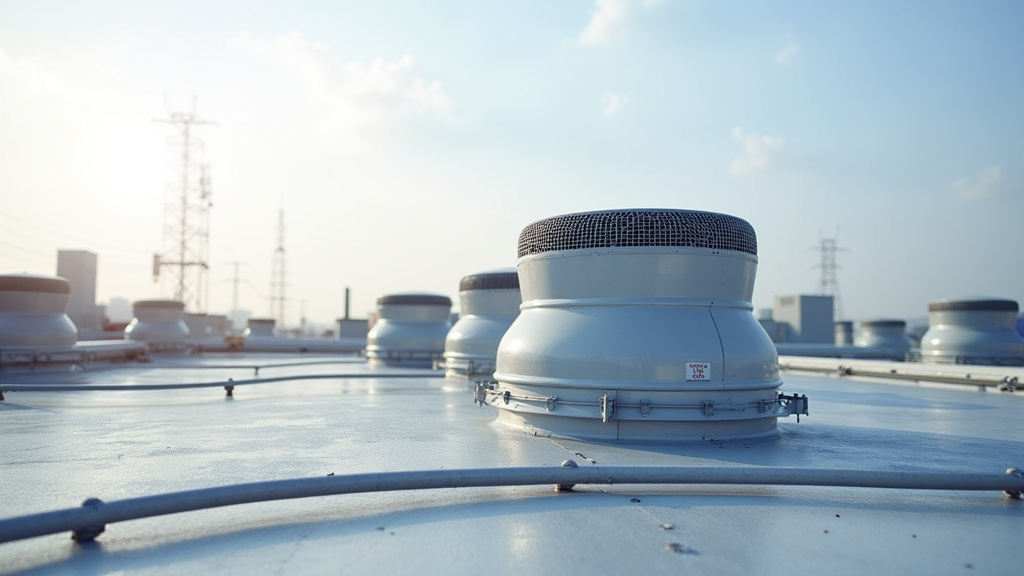
- Understanding the Fundamentals of The hvac Systems
- Designing Efficient The hvac Solutions for Buildings
- Optimizing Performance and Sustainability in The hvac
-
Frequently Asked Questions About HVAC
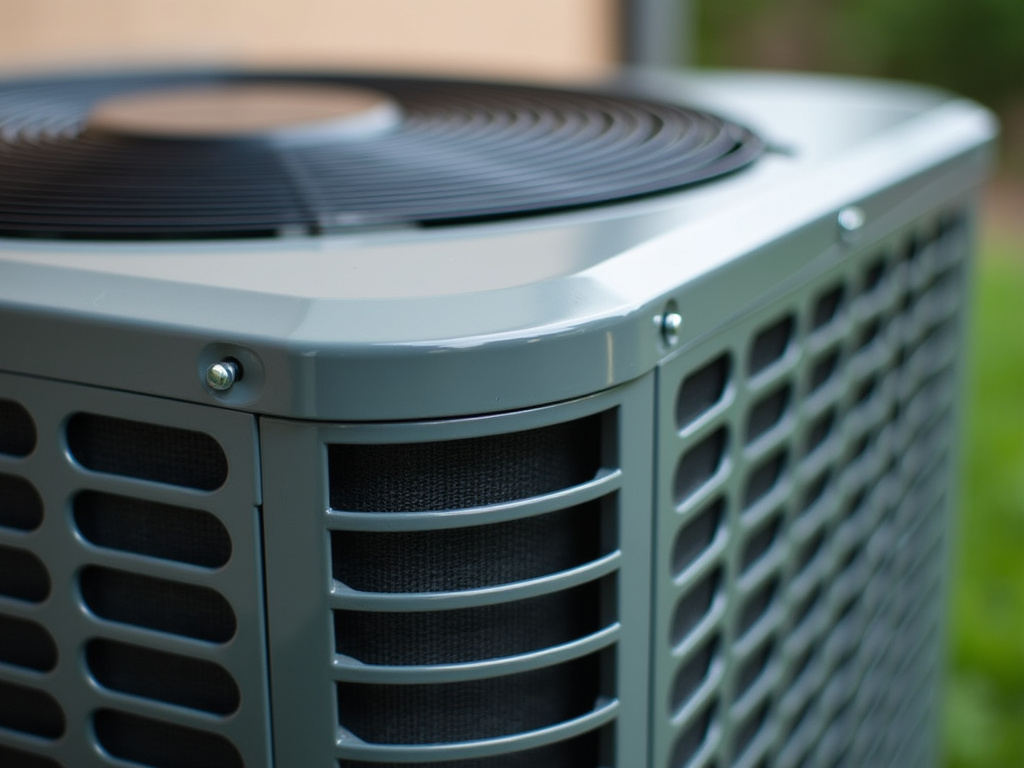
Understanding the Fundamentals of HVAC Systems
At the heart of every comfortable and energy-efficient building lies a complex yet integrated The hvac (Heating, Ventilation, and Air Conditioning) system. This system is a master of temperature control, air quality, and overall indoor comfort. Understanding the fundamentals of The hvac is important for both homeowners and professionals, especially in diverse climates like Austin, Texas.
In Austin, the The hvac process involves a tailored approach. It begins with an assessment of the building’s unique needs, considering factors like square footage, insulation, occupancy, and local climate. A family home might require a central air conditioner paired with a high-efficiency furnace, supported by a network of ductwork and vents. Skilled The hvac technicians from companies like Comfort Air or Precision Cooling play a vital role in proper installation, regular maintenance, and troubleshooting to ensure peak efficiency.
HVAC Installation in Austin: Where to Start
Looking for HVAC installation in Austin, TX? Golden State Builders hvac installation serves the local area and can answer questions specific to Austin.
When selecting The hvac services, homeowners should look for reputable contractors known for quality equipment and skilled technicians. Companies like AC Masters or Heating & Cooling Solutions offer certified professionals who stay updated with industry standards from organizations like ASHRAE (American Society of Heating, Refrigerating and Air-Conditioning Engineers) and ICC (International Code Council). By prioritizing these factors, Austin residents can enjoy comfortable indoor environments while promoting energy conservation and sustainability.
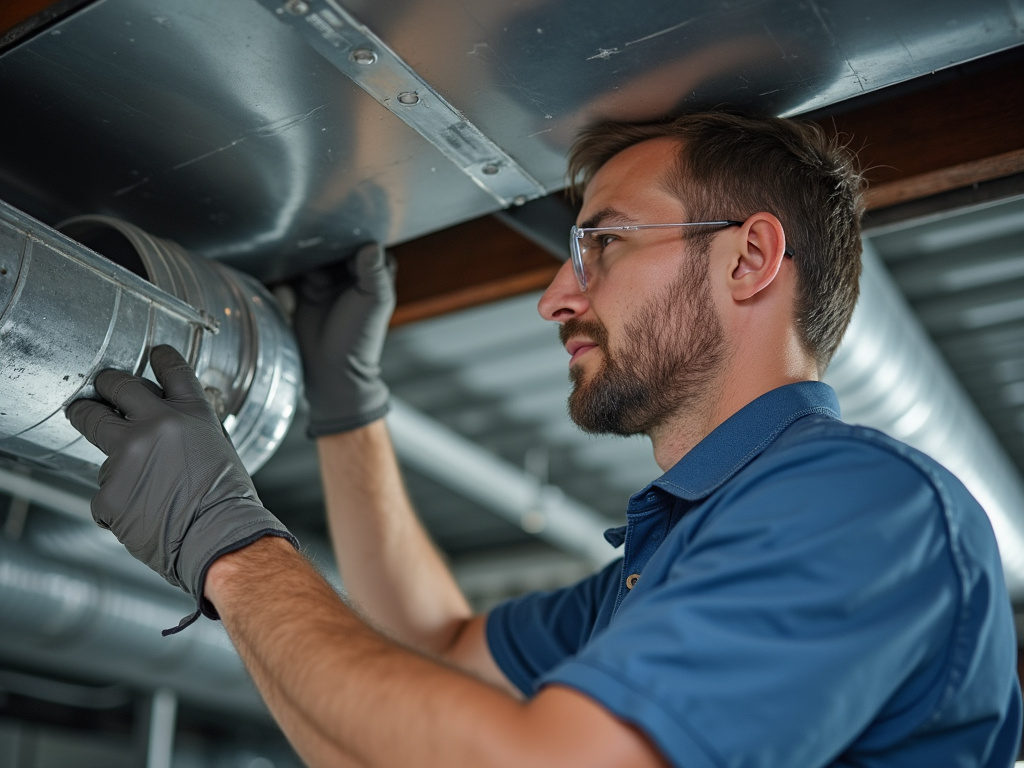
Designing Efficient HVAC Solutions for Buildings
Efficient The hvac solutions are a cornerstone of modern building construction and maintenance. The design process involves a deep understanding of a building’s unique needs, considering climate, occupancy, and energy efficiency goals. In Austin, where summers can be scorching, efficient The hvac systems provide both comfort and significant energy cost savings.
The design phase begins with a thorough site assessment, adhering to local building codes and regulations set by the ICC. Engineers and contractors then create detailed plans, selecting equipment from leading manufacturers like Carrier Air Conditioning, Lennox Heating, and Daikin Industries. These manufacturers ensure energy efficiency, as certified by ASHRAE, resulting in best performance and minimal environmental impact.
The The hvac industry is experiencing a skilled labor shortage, with job growth projected to be among the highest in coming years. This field offers a rewarding career for those who enjoy hands-on work, as The hvac technicians often command competitive salaries and long-term career stability. The average The hvac tech in the U.S. Can expect a tenure of over 15 years, a sign of the stability and importance of these skilled workers.
Optimizing Performance and Sustainability in HVAC
Optimizing performance and sustainability in The hvac involves a strategic blend of advanced technology and responsible practices. Leading manufacturers like Carrier Air Conditioning, Lennox Heating, and Daikin Industries offer advanced systems that integrate smart controls and energy-efficient components, reducing operating costs and environmental impact. These innovations are important in cities like Austin, where the average The hvac system replacement costs range from $4,000 to $10,000.
The The hvac process starts with a thorough assessment by a qualified electrician or The hvac technician. They consider factors like building design, energy usage patterns, and local climate conditions to recommend the best system. Adhering to ASHRAE and ICC standards ensures safety and performance optimization, contributing to long-term sustainability.
Regular maintenance is key to keeping systems running at peak efficiency. Services like Comfort Air, Precision Cooling, and Heating & Cooling Solutions offer tailored maintenance plans, including seasonal tune-ups and filter changes. According to ASHRAE, proper maintenance can reduce energy consumption by up to 15% and extend equipment lifespan. It also helps prevent costly breakdowns and ensures indoor air quality, minimizing the reliance on energy-intensive air purifiers or humidifiers.
Integrating renewable energy sources, such as solar panels, with The hvac systems further enhances sustainability. This approach, popularized by companies like Trane Technologies, significantly reduces the carbon footprint of the entire operation. An U.S. Department of Energy study found that households with solar-powered The hvac systems saved an average of 20% on their energy bills compared to traditional electricity-reliant systems. This benefits both the environment and the bottom line for homeowners and businesses.
Frequently Asked Questions
What is The hvac and why is it important?
The hvac, short for Heating, Ventilation, and Air Conditioning, is a critical system in any building. It controls indoor temperature, air quality, and humidity, ensuring comfort and health. Proper The hvac systems filter pollutants, allergens, and harmful particles, prevent disease spread, and optimize energy efficiency, resulting in significant cost savings.
How does the hvac system work?
The hvac system operates through a refrigerant cycle. Outdoor units absorb heat (or ground heat in ground-source heat pumps) and transfer it indoors. Indoor units distribute heated or cooled air. Thermostats control the system, adjusting temperature as needed. This continuous cycle maintains the desired indoor climate.
When should I replace my The hvac system?
The hvac systems typically last 10-15 years. Replace them if they frequently break down, cause comfort issues, or don’t meet energy efficiency needs. Modern systems offer enhanced efficiency, quieter operation, and better air filtration.
What are the energy-saving features of modern The hvac systems?
Modern The hvac systems feature smart thermostats, high-efficiency air handlers, variable-speed compressors, and ground-source heat pumps. These innovations minimize energy consumption and improve comfort.
How do I maintain my The hvac system for best performance?
Regular maintenance is vital. Change air filters, perform annual check-ups, and address repairs promptly. Keep outdoor units clear of debris, and consider energy-efficient upgrades for best results.
Can The hvac systems improve indoor air quality?
Absolutely. Proper The hvac systems filter out contaminants, ensuring cleaner air. High-efficiency filters, UV lights, and air purifiers further enhance air quality, benefiting occupant health.
What factors influence the cost of The hvac installation?
Installation costs depend on system size, efficiency, building structure, labor rates, permits, taxes, and equipment prices. Custom designs and special features increase costs.
As we conclude, the The hvac industry is a dynamic field, with continuous innovations and standards driving efficiency and sustainability. By understanding these fundamentals and best practices, professionals and building designers can contribute to comfortable, energy-efficient, and sustainable indoor environments.
Golden State Builders
3355 Bee Caves Rd Ste 101, Austin, TX 78746
Website: gsbuildersgrouptx.com
View Golden State Builders on Google Maps
How to get to Golden State Builders from H-E-B
Starting near H-E-B? Golden State Builders is a short drive away. Head out on E 7th St and you’ll find us on Bee Caves Rd Ste 101 at 3355 Bee Caves Rd Ste 101, Austin, TX 78746. Use the map below for turn-by-turn directions.
For related local guidance, see our hvac resources.