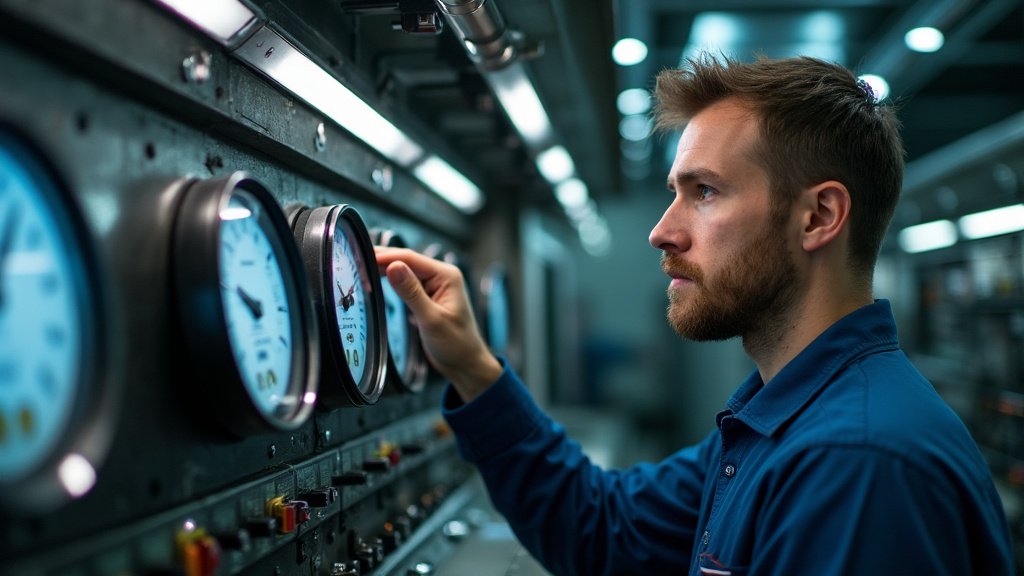
In today’s commercial landscapes, efficient and reliable Heating, Ventilation, and Air Conditioning (HVAC) systems are not just luxuries, but critical components for any successful business. From manufacturing plants to office buildings, the need for controlled environments drives the demand for robust and adaptable HVAC solutions. However, navigating the complexities of modern HVAC technologies and ensuring optimal performance can be a challenge. This article offers a practical guide to understanding HVAC systems, exploring industry best practices, and highlighting the importance of professional maintenance and services. We’ll examine the technical aspects, industry regulations, and client-focused services, empowering you to make informed decisions and ensure your HVAC systems run at peak efficiency.
Understanding the Fundamentals of HVAC Systems
Understanding the Fundamentals of HVAC Systems
At the heart of any comfortable and efficient building lies a complex yet interconnected network: the HVAC system. In Austin, where the climate demands both robust heating and precise cooling, a deep understanding of these systems is paramount for both homeowners and commercial property managers. Top-tier HVAC companies like Precision Cooling and AC Masters don’t just install equipment; they tailor solutions to meet the unique needs of each space.
At its core, an HVAC system works by regulating temperature, humidity, and air quality. It achieves this through three primary components: heating, ventilation, and air conditioning. A furnace generates heat, air handlers distribute it, and ductwork ensures the warm air reaches every corner of a room. The interaction of these elements creates a comfortable indoor environment. But the expertise doesn’t stop there. The $5000 rule for HVAC, while not a hard-and-fast rule, emphasizes the importance of balancing cost and quality. It encourages property owners to consider not just the upfront investment but also the long-term efficiency and reliability of the system.
HVAC Installation in Austin: Where to Start
Looking for HVAC installation in Austin, TX? hvac replacement serves the local area and can answer questions specific to Austin.
A crucial aspect of HVAC design and maintenance involves understanding the intricate interplay between different systems. In many cases, an electrician is the go-to professional for wiring and electrical aspects, while an HVAC technician specializes in the intricate mechanics. A properly sized and installed air conditioner won’t function optimally if the electrical supply is insufficient. Therefore, the best approach is to treat HVAC as an integrated system, where every component works in harmony. This holistic perspective ensures that the system not only performs at its best but also lasts for years to come, providing efficient comfort throughout the Austin climate’s extremes.
Regular maintenance matters in achieving this efficiency. Scheduled cleaning, filter changes, and system checks prevent costly breakdowns and ensure optimal performance. In a city like Austin, where the heat can be relentless, a well-maintained HVAC system can make a significant difference in energy costs and overall comfort. By combining expert knowledge, quality equipment, and diligent maintenance, Austin residents and businesses can achieve the perfect balance of indoor climate control.
Design and Installation: Optimizing Efficiency
The design and installation of an efficient HVAC system is a meticulous process, crucial for optimal performance and energy conservation. In Austin, where the climate demands robust yet energy-conscious cooling and heating solutions, HVAC techs play a pivotal role. The first step involves assessing the building’s unique needs, considering factors like size, insulation, and solar exposure. A tech might recommend a high-efficiency air source heat pump for a residential property in a cooler climate, leveraging the free heat from the air to reduce energy consumption.
Once the design is finalized, installation requires meticulous craftsmanship. Technicians must ensure precise measurements and secure connections to maintain the system’s integrity. The process involves setting up the outdoor unit, installing ductwork, and placing indoor components like air handlers and thermostats. Proper insulation and sealing of ductwork are critical to prevent energy loss, a key consideration for Austin’s hot summers and cold winters. A seasoned tech understands the importance of these details, often using advanced tools and software to optimize the installation.
After installation, regular maintenance is vital. HVAC systems that receive consistent care have longer lifespans and operate more efficiently. Techs perform tasks like cleaning air filters, checking for leaks, and calibrating thermostats to ensure the system functions optimally. In Austin, where outdoor temperatures can fluctuate drastically, seasonal maintenance checks are essential. These visits not only prolong the system’s life but also help homeowners save on energy bills by identifying potential inefficiencies early on.
Maintenance and Troubleshooting for Longevity
Maintaining and troubleshooting your HVAC system is crucial for ensuring its longevity and optimal performance. In Austin, Texas, where the climate demands efficient heating, ventilation, and air conditioning year-round, proactive care is even more vital. The average cost to replace an HVAC system in Austin can range from $4,000 to $12,000, depending on the size of your home and the efficiency of the new unit. Therefore, regular maintenance can extend the lifespan of your current system and possibly delay the need for a replacement.
The HVAC process involves several key steps. First, scheduling routine inspections allows for early detection of issues. During these inspections, professionals check for leaks, clean or replace filters, and ensure the system is running efficiently. A technician from a reputable company like Comfort Air or Precision Cooling might use advanced tools to measure cooling capacity and detect any anomalies. Regular maintenance can prevent small problems from escalating into costly repairs. Keeping records of service visits and replacing parts as recommended by manufacturers, such as Carrier Air Conditioning, Lennox Heating, or Daikin Industries, can significantly enhance the system’s performance.
Troubleshooting common issues can often be done by homeowners, but for more complex problems, it’s best to consult a licensed professional. Issues like a constant stream of cold air, unusual noises, or a lack of heating or cooling can indicate a variety of problems, from faulty thermostats to damaged compressor coils. A skilled technician will be able to diagnose and fix these issues quickly, minimizing downtime and discomfort. In Austin, where the climate varies, it’s essential to be prepared for seasonal changes that might affect your HVAC system. The summer humidity can cause condensation issues, while winter’s cold can lead to frozen pipes or inefficient heat distribution.
When troubleshooting, consider the age of your system. Older models might be less efficient and more prone to failure. In such cases, a replacement might be more cost-effective in the long run. However, before making any major decisions, consult with a reliable HVAC contractor. They can provide expert advice tailored to your specific system and local climate conditions. By following these guidelines, Austin residents can ensure their homes remain comfortable and energy-efficient throughout the year.
Frequently Asked Questions About HVAC
What is HVAC and why is it important?
HVAC stands for Heating, Ventilation, and Air Conditioning. It’s vital for maintaining comfortable and healthy indoor environments, especially in cities like [city name] where extreme weather conditions can occur. HVAC systems regulate temperature, improve air quality by filtering pollutants and allergens, and ensure proper ventilation, contributing to energy efficiency and occupant well-being.
How do HVAC systems work?
HVAC systems combine to create a balanced indoor climate. Heating systems use fuel or electricity to warm air, which is then distributed through ducts or pipes. Cooling systems, on the other hand, use refrigerants to extract heat from indoor air, making it cooler. Ventilation involves the continuous exchange of indoor and outdoor air to maintain air quality. A thermostat controls these processes, ensuring the desired temperature is maintained.
When should I consider replacing my HVAC system?
While regular maintenance can extend the life of your system, replacement is often necessary after 10-15 years, depending on usage and quality. Signs indicating a need for replacement include frequent breakdowns, inefficiencies leading to higher energy bills, inadequate heating or cooling, unusual noises, and poor air quality.
How do I choose the right HVAC system for my home?
Selecting the right system depends on your home’s size, climate, and energy efficiency goals. Consider energy-efficient models with SEER (Seasonal Energy Efficiency Ratio) ratings for cooling and AFUE (Annual Fuel Utilization Efficiency) ratings for heating. Consult with a qualified HVAC technician in [city name] who can assess your needs and recommend suitable options.
What are the energy-saving features to look for in an HVAC system?
Energy-efficient HVAC systems include features like programmable thermostats, which allow you to set temperatures automatically, and smart controls that can learn your habits. Look for systems with high SEER and AFUE ratings, indicating superior energy performance. Also, consider models with variable-speed compressors and heat pumps, which operate more efficiently than traditional systems.
How often should I schedule HVAC maintenance?
Regular maintenance is crucial for optimal system performance and longevity. Schedule professional inspections and servicing at least once a year, ideally in the spring or fall, to prepare for extreme weather conditions. This includes cleaning or replacing filters, checking for leaks, and lubricating moving parts.
What are the signs of an HVAC problem that requires immediate attention?
Immediate attention is necessary if you notice unusual noises coming from the system, such as banging or screeching. Frequent cycling on and off, unexplained high energy bills, inadequate heating or cooling, and persistent moisture or mold growth near the system are also signs of potential issues that require professional diagnosis and repair.
As we’ve explored the world of HVAC, one thing becomes clear: understanding, designing, and maintaining these systems is a critical skill for any technician in this field. From the foundational knowledge of how these systems work to the practical aspects of installation and troubleshooting, there’s a wealth of expertise involved.
The key to success in HVAC lies in a multi-faceted approach. First, grasp the fundamentals: how temperature, humidity, and air quality interact. This knowledge is the bedrock for efficient system design. Installation requires precision to ensure optimal performance and comfort, while regular maintenance is vital for longevity. Addressing issues promptly, whether it’s a faulty thermostat or a worn-out compressor, can save time and money in the long run.
For technicians, staying up-to-date with industry standards is paramount. Organizations like ASHRAE and the ICC provide guidelines that ensure safe and efficient practices. Familiarizing oneself with various brands, such as Carrier Air Conditioning, Lennox Heating, and Daikin Industries, can offer a competitive edge.
Taking these insights to the field, technicians can enhance their skills in service, installation, and maintenance. This expertise translates into better client satisfaction and more robust, long-lasting HVAC systems. A deep understanding of HVAC empowers service professionals to deliver high-quality work that meets the unique needs of each location.
Golden State Builders
3355 Bee Caves Rd Ste 101, Austin, TX 78746
Website: gsbuildersgrouptx.com
View Golden State Builders on Google Maps
How to get to Golden State Builders from H-E-B
Starting near H-E-B? Golden State Builders is a short drive away. Head out on E 7th St and you’ll find us on Bee Caves Rd Ste 101 at 3355 Bee Caves Rd Ste 101, Austin, TX 78746. Use the map below for turn-by-turn directions.
For related local guidance, see our hvac resources.